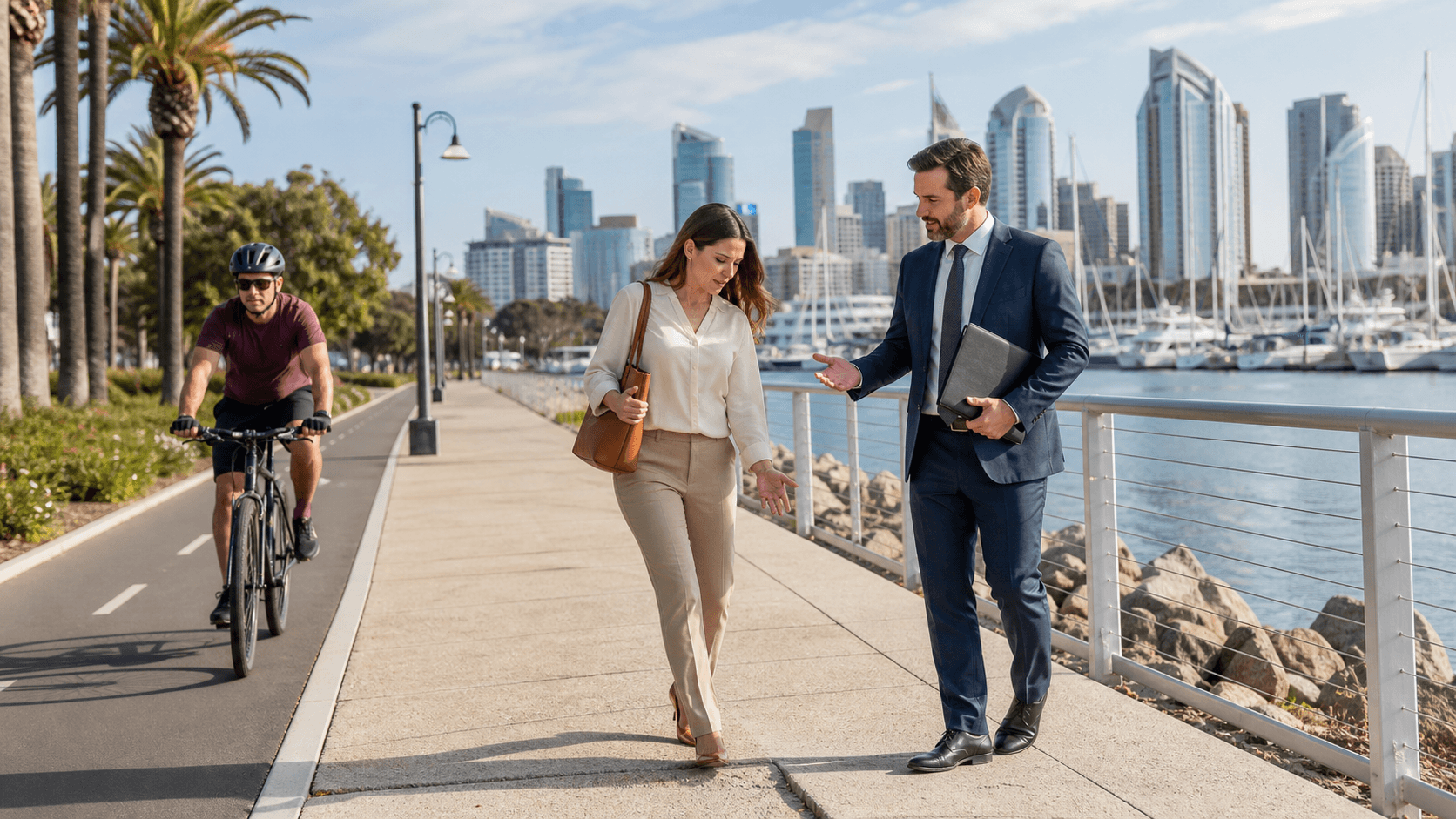
A simple walk in Santa Barbara can change in a second. One moment you are crossing State Street, heading toward the waterfront, or walking near campus. The next, you are on the ground, hurt, scared, and trying to understand what just happened. Many people think insurance will step in, cover the bills, and make things right. Instead, the claim slows down, the phone calls stop, and fair payment feels out of reach.
We see this a lot with pedestrian crashes in our city. Claims stall out because fault is unclear, insurance companies drag their feet, and important proof disappears in busy areas. Here is why that happens, how a pedestrian accident lawyer in Santa Barbara looks at these problems, and what steps can help get a stuck claim moving again.
When a Walk Turns Into a Legal Roadblock
Walking in Santa Barbara should feel simple. You might be:
- Crossing near cafes and shops on State Street
- Heading to the beach paths with friends
- Walking near schools or campus at night
When a car, truck, or rideshare driver is not paying attention, that normal walk can turn into a serious crash. After the shock, many people trust that insurance will be fair. They expect medical bills, time off work, and pain to be covered.
Instead, claims often:
- Get delayed with "we are still looking into it"
- Receive low offers that do not match the injuries
- Get blamed on the pedestrian, not the driver
Pedestrian claims in Santa Barbara often get stuck because of unclear fault, aggressive insurance tactics, and local traffic issues that are not obvious at first.
Why Fault Is So Hard to Prove in Pedestrian Crashes
Fault in a pedestrian crash is not always simple. The rules about who has the right of way can be confusing for both drivers and people on foot.
Common problem spots include:
- Marked crosswalks with faded paint or awkward angles
- Unmarked crosswalks at corners that still count under California law
- Flashing beacons that some drivers treat like suggestions
- Mid-block crossings near busy shops or parking lots
Drivers often say the pedestrian "darted out" or "came out of nowhere." That story can slow a claim or shift blame. In summer, many drivers are tourists or out-of-town visitors who do not know local traffic patterns. Their memories of what happened may not match what witnesses saw.
California uses pure comparative negligence. That means even if the pedestrian is found partly at fault, their compensation can be reduced by that percentage. Insurers use this rule to argue things like:
- The person was distracted by earbuds or a phone
- They wore dark clothing at night
- They crossed outside the lines of a crosswalk
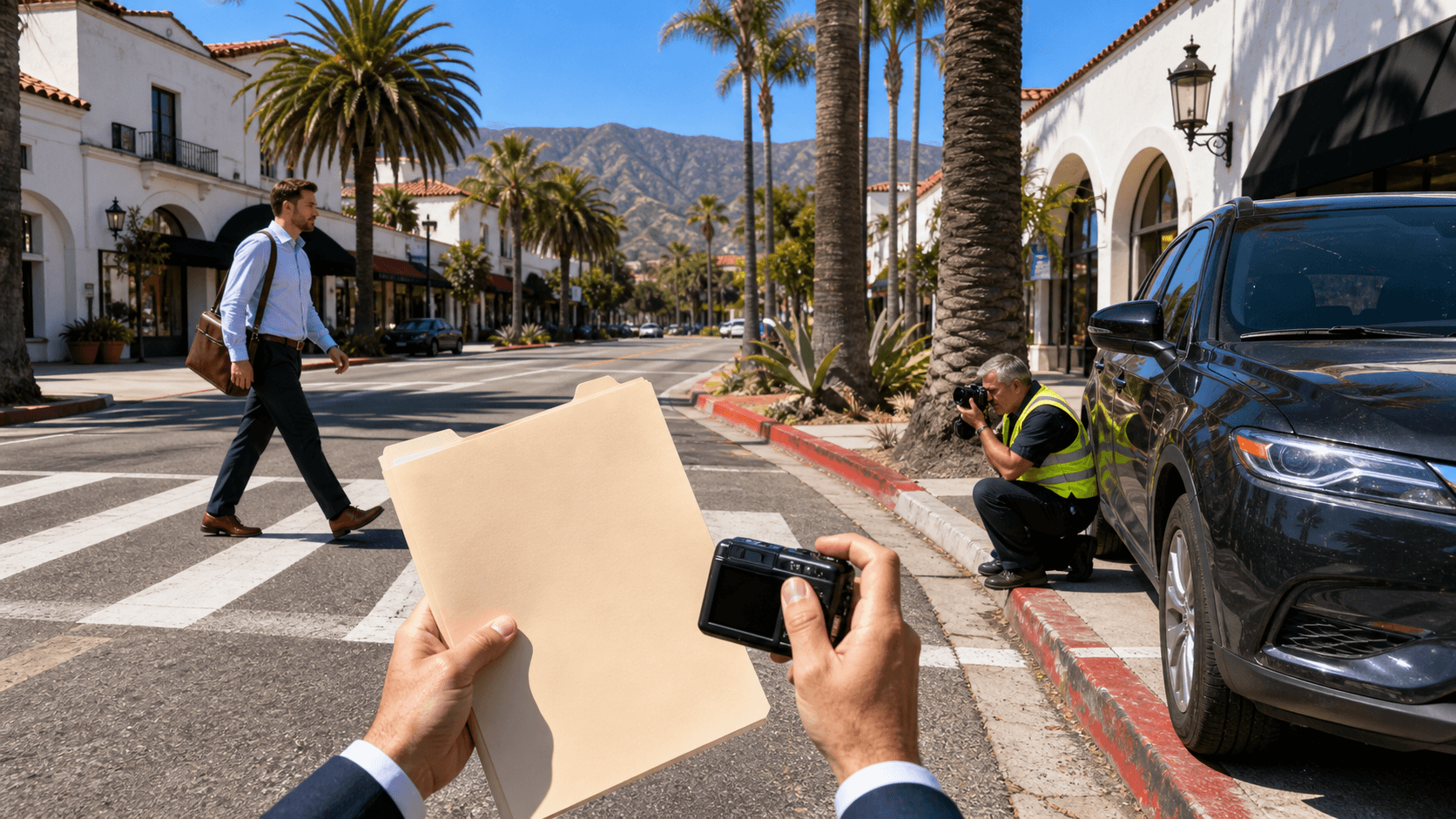
In busy areas, proof can disappear fast. Skid marks fade. Security footage gets recorded over. Beach and downtown crowds move on and are hard to track down later. Early investigation by an attorney can help grab:
- Store and traffic camera footage
- 911 recordings
- Witness names and statements
Without that work, insurers can sit on the claim and say they are "still investigating liability."
Insurance Company Tactics That Freeze Your Claim
Insurance companies have many ways to slow or shrink a pedestrian claim. One common move is to slow-walk the file while calling it an "investigation."
You might see:
- Repeated requests for more statements or forms
- Claims that they need additional records before deciding
- Excuses about waiting for a police report or another insurer
During busy summer months, adjusters may also point to vacation schedules, large caseloads, or multiple companies involved, like rideshare or rental car insurance.
Adjusters also look closely at your medical care. They may argue your injuries are not serious if they see:
- Gaps between doctor visits
- Missed physical therapy appointments
- Delayed complaints of concussion symptoms or whiplash
This is especially tough in pedestrian crashes, where head injuries and soft-tissue problems can show up or worsen days later. Insurers use this timing to say the crash did not cause the pain.
Another tactic is to offer a small check early. This might happen before:
- All test results are back
- You know if surgery will be needed
- You know how long you will be off work
If someone signs a release for that early offer, they cannot come back for more money later, even if their injuries turn out to be much worse.
Medical and Documentation Gaps That Sink Strong Cases
Even strong cases can lose power if the paper trail is weak. After a crash, people are tired, stressed, and busy. It is easy to miss key steps that insurance companies later use against them.
Common medical gaps include:
- Skipping follow-up visits when pain seems a little better
- Ignoring referrals to specialists because life is hectic
- Putting off treatment because of travel, kids out of school, or summer plans
From the insurer's view, these gaps let them argue you were not hurt as badly as you say. That can delay or shrink any offer.
Claims also slow when there is little proof of daily pain and limits. It helps to:
- Keep a simple journal of pain levels, sleep problems, and mood
- Write down how long you can stand, walk, or sit
- Save photos of bruises, swelling, casts, braces, crutches, or canes
Money losses can also be under-documented. To show lost income, you may need:
- Recent pay stubs or earnings reports
- A letter from your employer on missed days and duties
- Screenshots or logs if you do gig or freelance work
Small out-of-pocket costs add up, like:
- Parking fees at medical offices
- Rideshares or taxis to appointments
- Medical supplies at the store
Without proof, those costs might never be counted.
Local Santa Barbara Factors That Complicate Pedestrian Claims
Santa Barbara has its own mix of people and traffic that can make pedestrian claims harder. Summer tourism, college students, and beach crowds mean more people walking and driving in tight spaces. That leads to more near-misses and sometimes multi-party crashes.
Out-of-town drivers often use:
- Rental cars
- Rideshare services
- Delivery or work vehicles
These can come with different insurance policies, out-of-state issues, or limited coverage. Sorting all of that out can slow a claim.
Some parts of the city are also more dangerous for people on foot. Risky Spots Often Include:
- Downtown corridors packed with parked cars and turning traffic
- Beachfront roads with people crossing from lots to the sand
- Areas near schools, nightlife, or busy bus stops
Sometimes road design, missing signs, or poor lighting play a part. Figuring that out may mean looking at city records or talking with experts.
A pedestrian accident lawyer in Santa Barbara who knows local intersections, traffic patterns, and repeat trouble spots can use that knowledge to argue that a crash was predictable and preventable. A local firm can also work with nearby doctors, investigators, and courts, which can help move a stalled claim forward.
How a Pedestrian Accident Lawyer Gets Your Claim Moving Again
When a claim is stuck, a lawyer's first job is often to rebuild the proof. That can mean:
- Tracking down new witnesses or re-contacting old ones
- Collecting store, traffic, or home camera video
- Hiring accident reconstruction experts when needed
- Comparing police reports with the physical evidence
We look closely at any attempt to blame the pedestrian and test it against speed, distance, sight lines, and driver behavior. Many times, the real problem is driver inattention or failure to yield.
On the medical side, a legal team can help organize care and records, including:
- Finding local doctors who understand trauma from pedestrian crashes
- Making sure diagnoses, long-term limits, and future care are clearly written
- Collecting notes on permanent impairment or need for future treatment
With full records, we can calculate damages such as:
- Past and future medical care
- Lost wages and loss of future earning power
- Pain, suffering, and loss of enjoyment of daily life
To push past delays, lawyers use tools like formal demand letters, expert reports, and, when needed, lawsuits. Once an insurer sees a clear case and real pressure from possible court action, a file that sat for months can suddenly get attention. A lawyer also tracks California deadlines so a claim does not quietly expire while an adjuster keeps saying they are "still reviewing."
Turning a Stalled Claim Into a Path Toward Recovery
If your Santa Barbara pedestrian claim feels stuck, you are not alone, and it is not your fault. Insurance companies, unclear fault rules, and missing paperwork all play a part. The good news is that these are problems that can be worked through with the right help and a clear plan.
Protect Your Rights After a Pedestrian Accident Today
If you were hit while walking in Santa Barbara, you do not have to navigate the legal and insurance process alone. Our team at Quirk Accident & Injury Attorneys can review what happened, explain your options, and fight to pursue the compensation you deserve. Speak with a dedicated pedestrian accident lawyer in Santa Barbara to get clear guidance on your next steps. To schedule a consultation, simply contact us and we will follow up promptly.