San Diego trips are supposed to be easy: sun, water, good food, and plenty of walking between it all. But when a vacation walk turns into an accident on the way to a cruise excursion, a rental pickup, or a hotel shuttle, things get stressful very fast. You may be hurt, far from home, and unsure who should pay for your medical care and losses.
In the fall shoulder season, San Diego stays busy with cruise passengers, conventions, and early holiday shoppers. Areas like downtown, the Embarcadero, Old Town, and the resort corridors fill with visitors on foot. When something goes wrong, there may be many companies involved in your path that day. We want to walk through how these accidents happen and who may be responsible when a tourist gets hurt.
How San Diego Vacations Turn Into Costly Walking Accidents
Fall in San Diego brings heavy foot traffic around cruise terminals, hotels, and shopping districts. Visitors are rushing to check in, catch a shuttle, or meet an excursion group. At the same time, local drivers and workers are trying to get through crowded streets and loading zones. That mix can be risky.
Tourists face special problems because they often do not know where shuttle pickup zones start and end, how hotel driveways and valet areas are laid out, the safest crosswalks across roads like Harbor Drive, or which sidewalks are broken, uneven, or under construction. Signs can be confusing, crowds spill over curbs, and schedules are tight.
It is also not always obvious who is in charge of safety in a given spot. One business may own the property, another may run the shuttles, and another may handle tours. When someone gets hurt, the big question is who is legally responsible, and sometimes the answer is more than one party. A walking accident attorney in San Diego can sort through those layers and identify which insurance policies may apply.
Common Tourist Walking Hazards Around Cruise Excursions
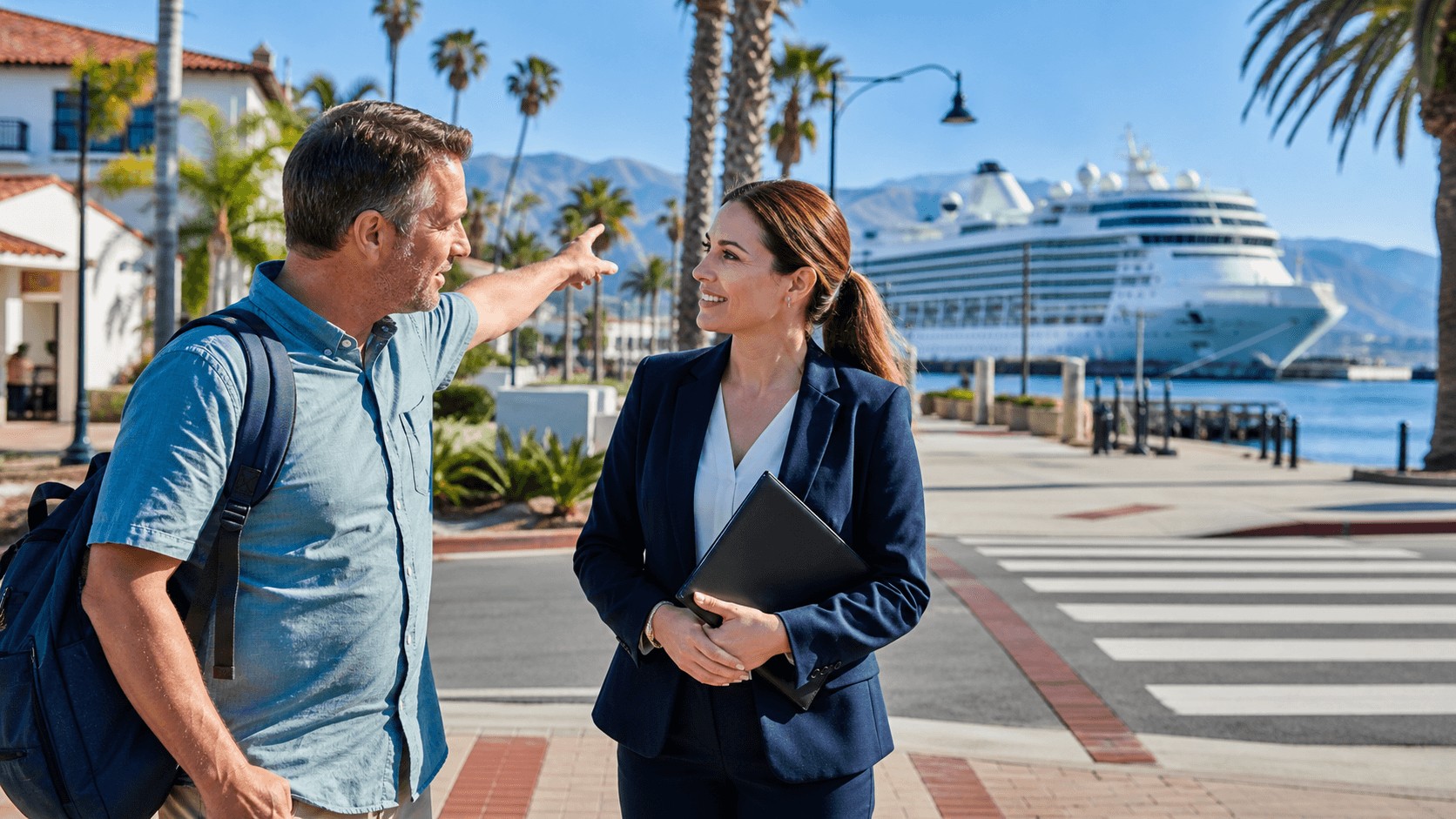
A typical day for a cruise passenger often involves walking from the ship through the terminal, crossing streets, and finding the right bus or rideshare. Around the Embarcadero and cruise terminals, people commonly walk through port parking lots full of tour buses and delivery trucks, across Harbor Drive or similar busy roads, along sidewalks next to loading docks and construction zones, and through temporary event areas during holiday markets or festivals.
Common dangers in these areas include:
- Poorly marked or hard-to-see crosswalks
- Drivers speeding to beat changing lights
- Large buses blocking views of oncoming cars or people
- Cracked concrete, loose mats, or hoses stretched across walkways
- Crowds forcing people off the sidewalk and closer to traffic
Responsibility can fall on different parties at the same time. For example, the port or city might be responsible for unsafe crosswalk design or walkway conditions. A private excursion company might set up rushed, unsafe loading practices. A bus or rideshare driver might fail to yield to pedestrians. Nearby businesses might leave items blocking walking paths.
To sort this out, a careful review often includes:
- Security camera footage from the ship, port, buses, and nearby buildings
- Port rules and internal safety policies
- Excursion contracts that describe who handles what
- Any past complaints or reports about that same crosswalk or loading area
Hotel Shuttles, Valet Zones, and Resort Sidewalk Dangers
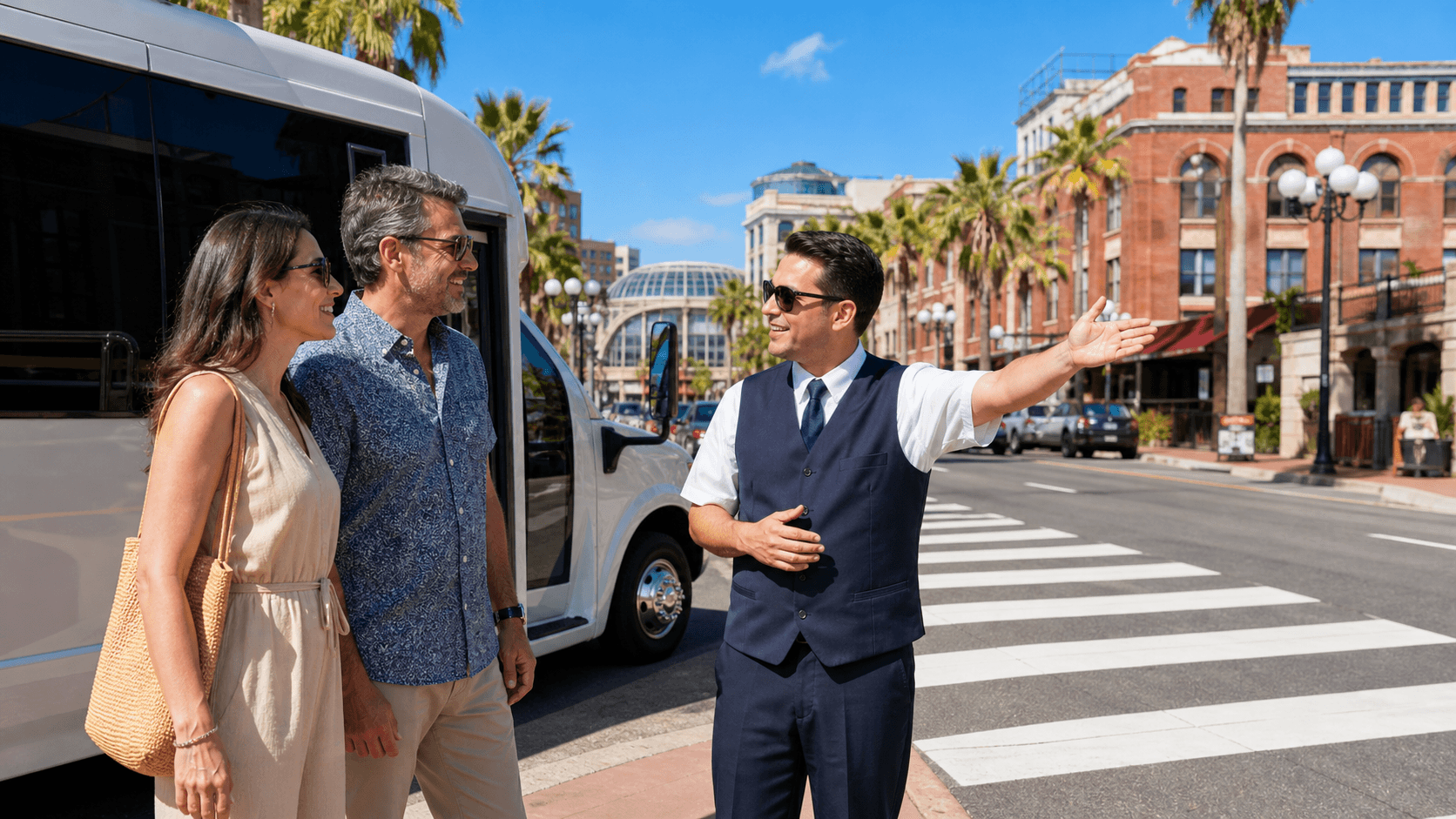
Many fall visitors rely on hotel shuttles and resort vans to reach beaches, downtown, the airport, or cruise terminals. This creates busy pickup and drop-off spots where cars, vans, pedestrians, and luggage all meet in tight spaces. A lot can go wrong in those few minutes.
Common accident situations around hotels and resorts include:
- Guests struck by hotel shuttles or courtesy vans pulling in or backing out
- Pedestrians hit by other vehicles while walking through valet, taxi, or rideshare zones
- Falls on cracked, slippery, or uneven resort walkways
- Trips in dim, poorly lit parking areas after evening events
When these incidents happen, blame is not always limited to one person. The hotel or resort may be responsible for unsafe design, poor lighting, or lack of warning signs. Shuttle drivers may contribute through hurried or careless driving in crowded spaces. Third-party transportation services that use hotel property can be involved, and property management companies that handle repairs and maintenance may also share responsibility.
A walking accident attorney in San Diego will usually want to see:
- Internal incident reports and guest complaint records
- Security video from lobby, driveway, and parking cameras
- Shuttle inspection and maintenance records
- Staffing levels and training materials for shuttle and valet teams
- Any history of similar accidents at that same location
Risky Rentals and Rideshares: Sidewalks and Streets Collide
Rental cars, e-bikes, scooters, and rideshares are everywhere in popular spots like Pacific Beach, Mission Bay, and the Gaslamp Quarter. While they are convenient, they can create sudden, unexpected danger for visitors on foot who are busy looking at maps or sightseeing.
Some common problem situations include:
- A person on a walking tour clipped by an e-scooter on a sidewalk
- A pedestrian hit by a rental car making a sudden turn while the driver searches for a hotel or parking
- Someone hurt because a rideshare stops in a mid-block lane, forcing passengers to step out near moving traffic or cross in an unsafe spot
Liability in these cases can layer up quickly. It may include rental companies that fail to give proper instructions or provide safe equipment, scooter platforms that do not manage sidewalk riding or cluttered scooter parking, individual drivers who speed, text, or ignore crosswalks, and the city if there are known unsafe intersections or confusing signs that have not been fixed.
Insurance coverage often comes from multiple sources at once, such as the driver's personal auto policy, a commercial policy for a car used for work, an app-based platform's insurance, and sometimes the company that owns the vehicle or device. Sorting out which policies apply and in what order is not simple, especially for someone who has already gone home.
How a Walking Accident Attorney in San Diego Protects Tourists
When a visitor is hurt, time is tight. People often have to get back on a cruise ship or fly home soon after the accident. A local attorney can move quickly to:
- Preserve security video before it is deleted
- Get photos, witness statements, and incident reports
- Identify all companies involved, from ports to hotels to tour operators
- Help you organize medical records and bills from doctors in San Diego and back home
In complex tourist accidents, fault can be shared between ports, hotels, shuttle companies, tour operators, rental platforms, and individual drivers. Careful legal work can uncover each party's role, which may increase the total compensation available for:
- Emergency and follow-up medical care
- Missed work and lost income
- Long-term pain, mobility problems, or lifestyle changes
It is also important to understand how California's comparative negligence rules can affect your case if someone tries to blame you for the accident. Claims that involve government or port entities can have shorter deadlines. Signed excursion waivers or rental agreements can affect your rights, but they do not always erase them. Our team at Quirk Accident & Injury Attorneys focuses on pedestrian and tourist injury cases and is set up to manage claims even after clients return home, keeping them updated from a distance.
What to Do After a San Diego Tourist Walking Accident
If you are hurt during a walk in San Diego, even if your trip is almost over, it helps to follow a simple checklist:
- Get medical care right away, even if you think you can wait until you get home
- Report the incident to hotel staff, port security, excursion staff, or police, and ask for a copy or reference number
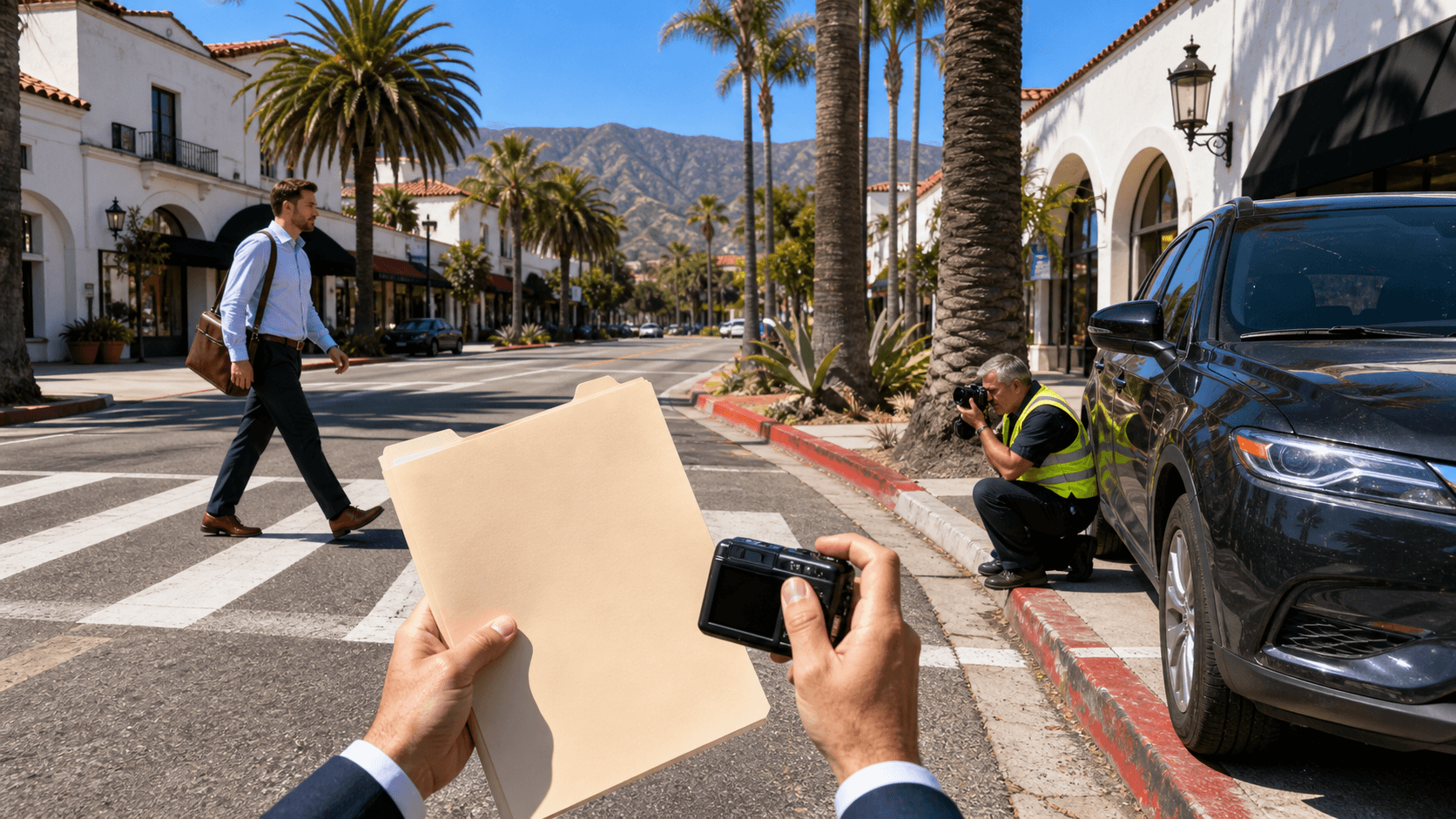
- Take photos or videos of the scene, any vehicles involved, and the hazard that caused your injury
- Save torn clothing, broken shoes, or damaged items that show how the fall or impact happened
Also try to:
- Gather names and contact details for witnesses
- Get the names of shuttle or bus drivers and any supervisors you speak with
- Note badges, vehicle numbers, and company names
- Save boarding passes, reservation emails, excursion tickets, and receipts that show where you were supposed to be and who was in charge of your safety
It is usually best not to give detailed statements or sign forms from insurers, cruise lines, hotels, or tour companies before talking with a walking accident attorney in San Diego. Quick signatures can hurt your claim later. Acting fast can also help keep key evidence from being lost, especially in busy tourist spots where footage is often erased and seasonal workers move on to other jobs. Quirk Accident & Injury Attorneys is based here in Southern California, and our work is focused on helping injured visitors and locals understand their rights after serious walking accidents.
Protect Your Rights After A Serious Walking Accident
If you were hurt while walking, you should not have to navigate medical bills and insurance calls on your own. As a dedicated walking accident attorney in San Diego, Quirk Accident & Injury Attorneys can evaluate your case, explain your options, and pursue full compensation for your injuries. Reach out so we can review what happened, preserve critical evidence, and handle the legal details while you focus on healing. To schedule a free consultation, simply contact us today.