Unexpected Places Santa Barbara Pedestrian Accidents Happen
Walking in Santa Barbara feels easy and laid back. The streets are pretty, the air is soft, and fall brings tourists, parents, and college students all sharing the same sidewalks. It can feel safe to leave the car at home and run errands on foot.
But serious pedestrian accidents often happen in the most ordinary spots. A quick walk to grab groceries, meet a child at school, or cross to the beach can turn into a life-changing event in a second. Knowing where hidden danger shows up can help people stay alert, and if a crash does happen, it can help show exactly how and why it occurred. When an everyday walk turns into a collision, a pedestrian accident lawyer in Santa Barbara can explain next steps and help protect an injured person's rights.
Everyday Errands That Turn Dangerous Fast
Fall in Santa Barbara means fuller sidewalks, crowded crosswalks, and more people on foot. Tourists come for the waterfront and wine, students pour back into town, and locals are out running errands after work while it is still light out.
Many people think of major intersections when they hear about pedestrian accidents. Those are risky, but plenty of serious crashes happen far from busy traffic lights, like:
- Parking lots and parking garages
- Quiet neighborhood streets
- Coastal paths and waterfront walks
- Bus stops, train stations, and rideshare pickup zones
When people know these trouble spots, they can watch for unsafe drivers and small details like poor lighting or faded paint. Later, those same details can be important in a legal claim because they help show what the driver should have seen and what others did wrong.
Parking Lots That Hide Moving Hazards
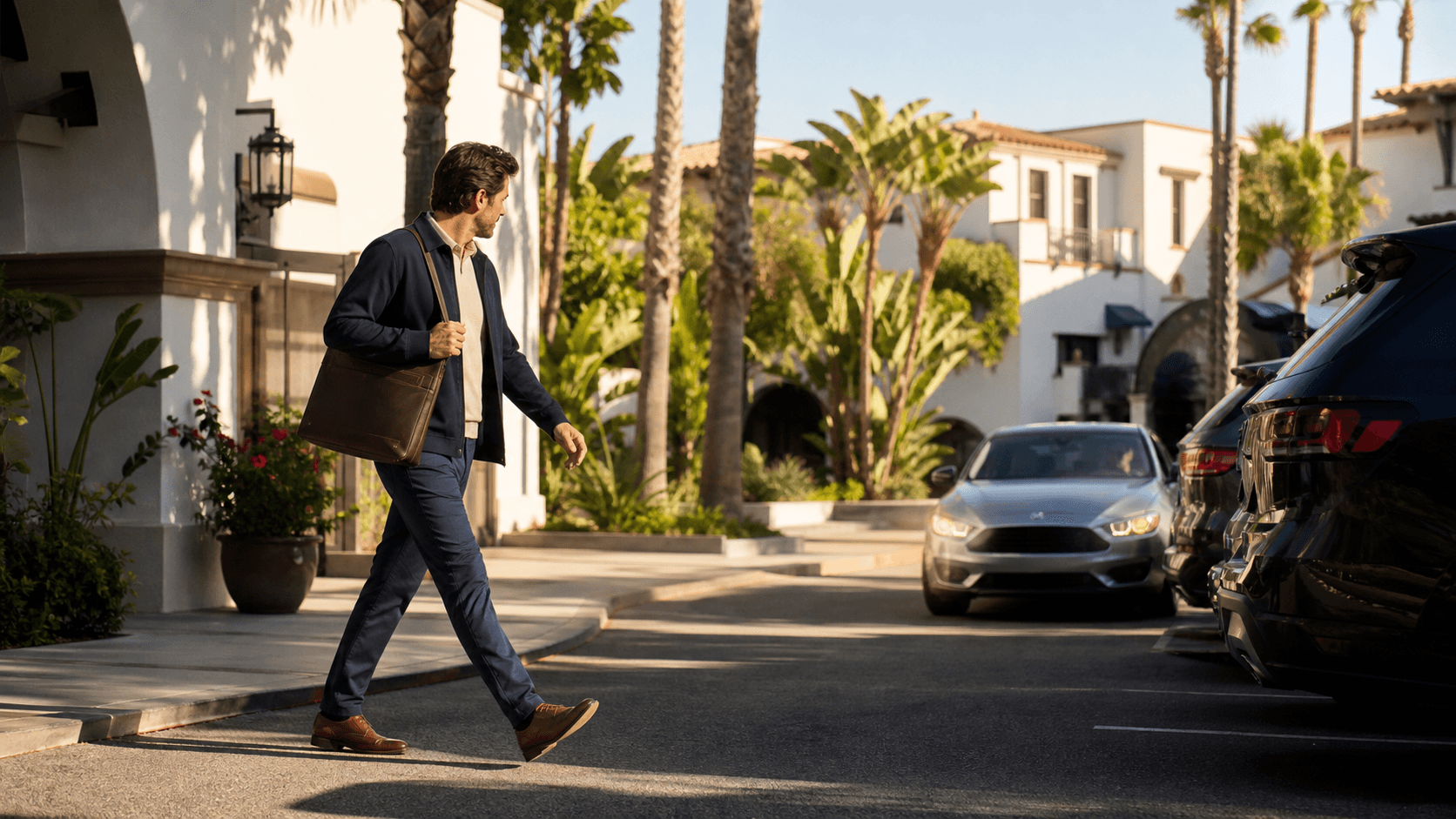
Grocery stores, shopping centers, and beach parking lots feel like slow, safe places. Cars are creeping along and people are close by. The danger is that everyone is looking at something else.
Here is why lots are so risky:
- Drivers backing out of tight spaces without turning their heads
- People hunting for an open spot and staring past anyone walking
- Big SUVs and trucks blocking the view of smaller pedestrians
- Delivery vehicles cutting across walkways or loading zones
Fall weekends can be especially busy. Holiday shopping starts, local events pick up, and people rush in at sunset after work. At those times, you may see cars rolling through small stop signs or stopping in the middle of lanes to grab a spot.
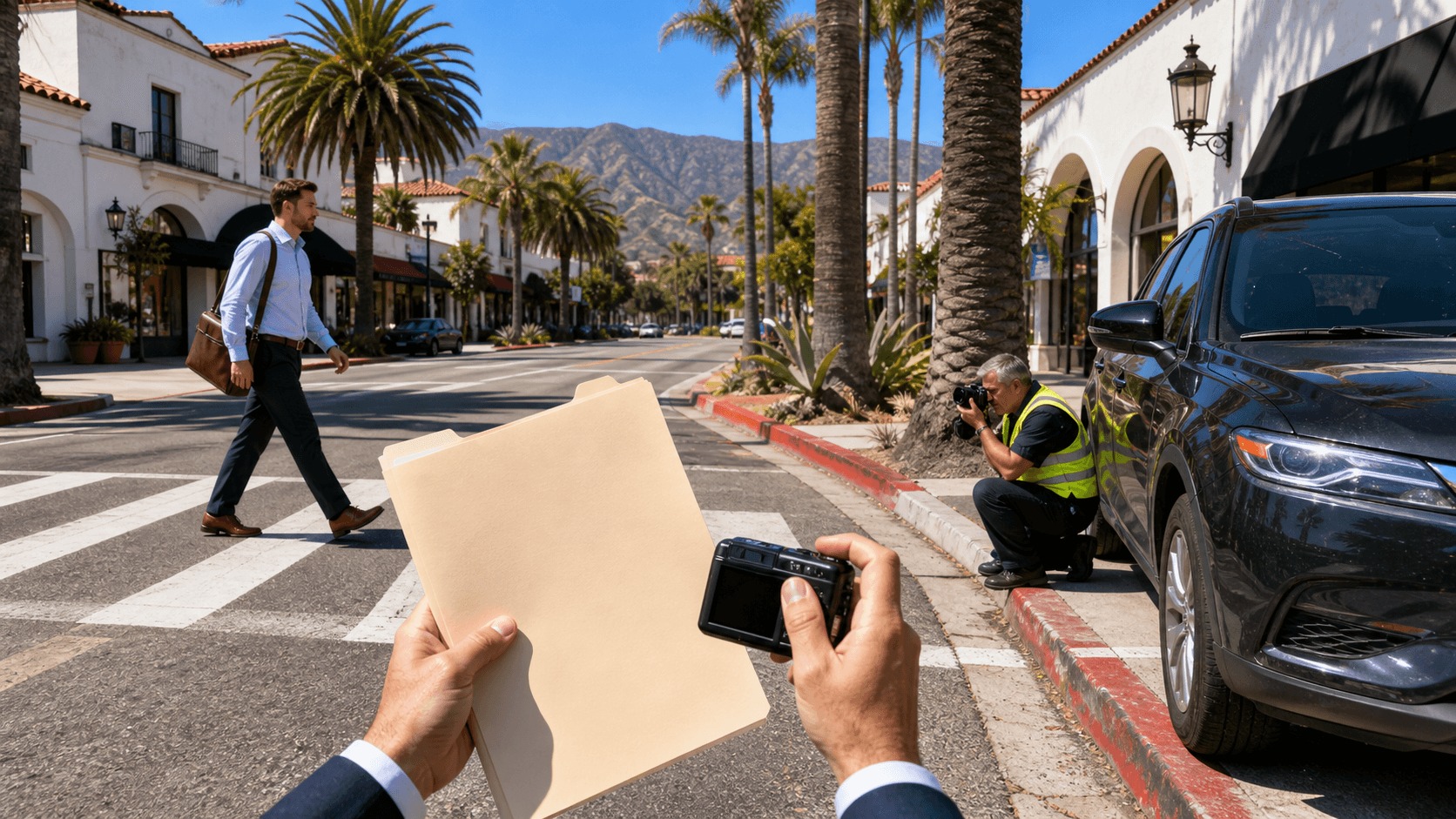
If someone is hit in a parking lot, steps like these can be very helpful later:
- Take photos of the whole area, including lighting and any signs
- Look for security cameras on nearby businesses and note where they are
- Get names and contact information for witnesses, if possible
- Keep shoes and clothing, which may show impact marks or tire tracks
When we investigate a parking lot crash, we look not only at the driver but also at how the lot is set up. Poor lighting, confusing arrows, or missing signs can all play a part. In some cases, that means a property owner or business may share blame along with the driver.
Neighborhood Streets That Feel Safer Than They Are
Quiet residential streets and school zones can give a strong sense of comfort. Cars usually move slower and people feel at home. That calm feeling can actually make things more dangerous.
Common problems on neighborhood streets include:
- Drivers rolling through stop signs instead of coming to a full stop
- Speeding through "cut-through" streets to avoid main road traffic
- Drivers staring at GPS apps instead of scanning for people
- Kids on scooters or bikes darting into the road
Late October brings extra foot traffic. Families put up Halloween decorations, kids walk around planning their routes, and many of those walks happen right at dusk when it starts to get dark but people do not always switch on their headlights yet.
Near schools and parks, there are added risks:
- Parents double-parking or stopping in red zones
- School buses blocking the view of crossing kids
- Children crossing mid-block to meet friends or catch a ride
If an accident happens in an area neighbors already worry about, patterns matter. Things like repeated speeding, worn-out crosswalk paint, or poor lighting can help show that danger was foreseeable. When people share those long-term problems with a lawyer it can support a claim that others failed to fix a known risk.
Scenic Spots and Coastal Paths Near Traffic
Santa Barbara's waterfront feels like a slow, relaxed place to walk, but traffic is never far away. Areas like Cabrillo Boulevard, the path near Stearns Wharf, and walks by Shoreline Park all mix pedestrians, bikes, scooters, and cars in tight spaces.
Drivers in these areas are often:
- Looking at the view instead of the road
- Checking their phones for directions or parking options
- Making sudden turns into beach or hotel lots
Trouble often starts in "in-between" places, such as:
- Where a bike path crosses a driveway or side street
- Where hotel parking exits drop cars straight onto busy roads
- Where crosswalk lines are faded or covered with sand or debris
Fall weekends bring more visitors, special events, and people who do not know local traffic patterns. They may brake suddenly, stop in crosswalks, or turn without signaling. After a coastal crash, it can be helpful to have photos of signs, paint on the street, nearby events, and how crowded the area was. That information can help show that the risk was predictable and could have been prevented.
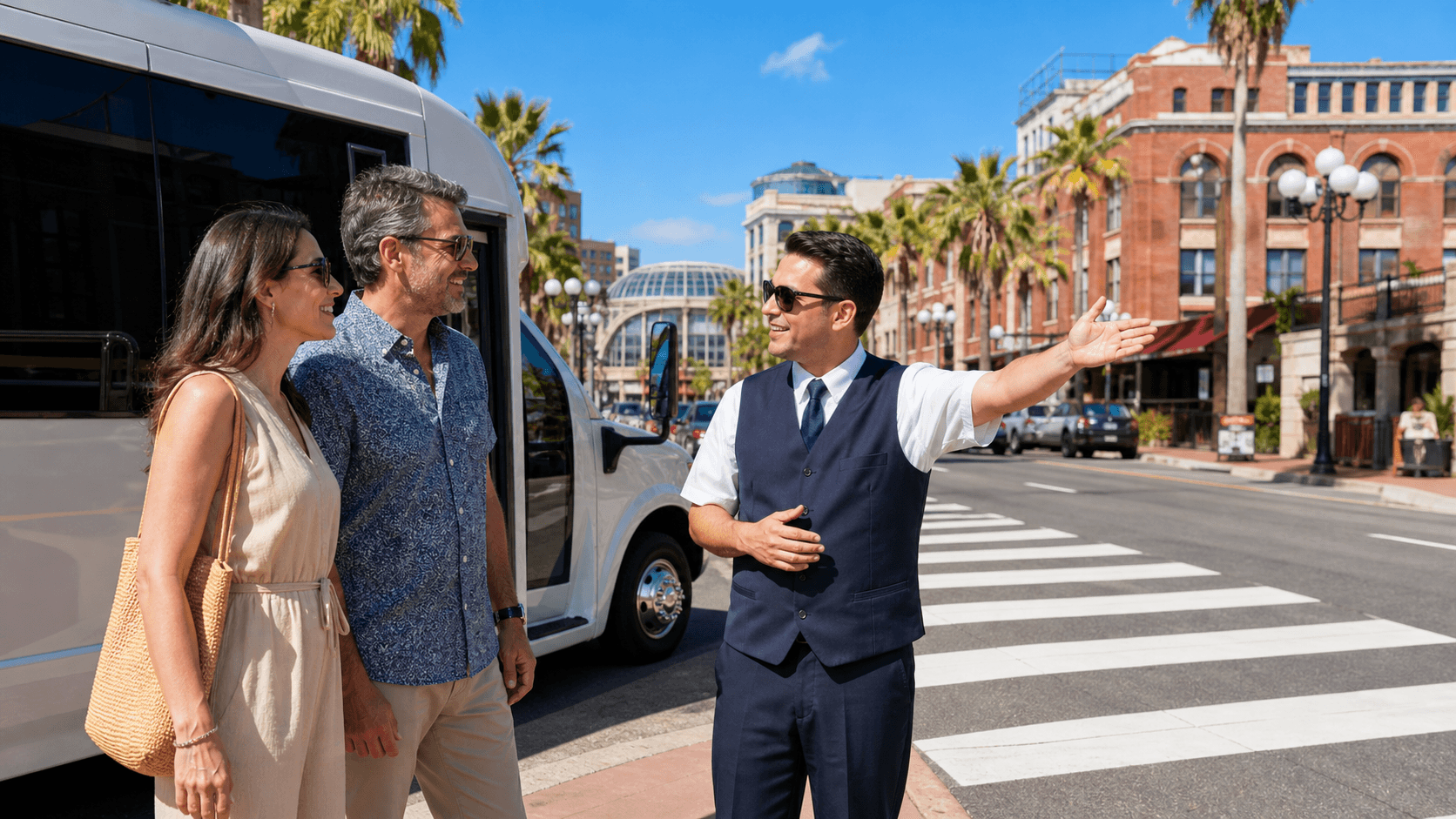
Transit Stops and Rideshare Pickup Zones
Transit spots collect people and cars in the same tight strip of pavement. Bus stops, train stations, and rideshare pickup zones can turn chaotic in seconds.
Danger points include:
- Multiple cars arriving at once and blocking the curb
- People stepping out from between parked or double-parked vehicles
- Drivers changing lanes quickly to reach or leave a loading area
Nighttime drop-offs near State Street, bars, or restaurants can be especially risky. In late October, college gatherings, fall festivals, and Halloween outings put more people on the sidewalks at night, often in dark costumes that are hard for drivers to see.
Rideshare and transit crashes can also be more complex. Different drivers, companies, and even agencies may be involved. App records, bus schedules, and video footage from nearby cameras can be important to understand how the crash really happened and who is responsible. A pedestrian accident lawyer in Santa Barbara will usually work quickly to preserve that kind of information before it is deleted or recorded over.
Steps to Protect Your Rights After a Pedestrian Crash
After a pedestrian accident, everything feels confusing and fast. A simple checklist can help keep things on track.
If it is safe to do so:
- Move out of traffic and call 911
- Get the driver's name, contact details, and license plate
- Take photos of the scene, your injuries, and any skid marks or debris
- Get contact information from any witnesses
Try not to say anything that sounds like you are taking the blame, such as "I'm fine" or "I should have watched where I was going," even if you feel pressured or in shock.
It is also important to see a doctor the same day if possible, even if you feel mostly okay. Some injuries to the head, neck, or back can take hours or days to show up. Medical records from those early visits are often a key part of proving how the crash affected your body and your daily life.
Evidence in pedestrian cases does not last long. Skid marks fade, loose debris gets swept up, and busy places like parking lots and transit stops can change from hour to hour. Video footage can be overwritten quickly and witnesses may be hard to find. Talking with a pedestrian accident lawyer in Santa Barbara as soon as you can helps make sure important details are collected while they are still fresh, so you are not left trying to piece things together later on.
At Quirk Accident & Injury Attorneys, we know no one expects to be hit while walking to a store, school, bus stop, or beachfront path. When the unexpected happens, understanding where and how these crashes occur is the first step toward standing up for yourself and your future.
Protect Your Rights After a Pedestrian Accident Today
If you were hit as a pedestrian, you do not have to navigate medical bills, insurance questions, and legal deadlines alone. Our team at Quirk Accident & Injury Attorneys is ready to review what happened, explain your options, and help you pursue the compensation you may be owed. Speak with an experienced pedestrian accident lawyer in Santa Barbara who will take your case seriously and provide clear guidance at every step. To get started, simply contact us for a free, no-obligation consultation.