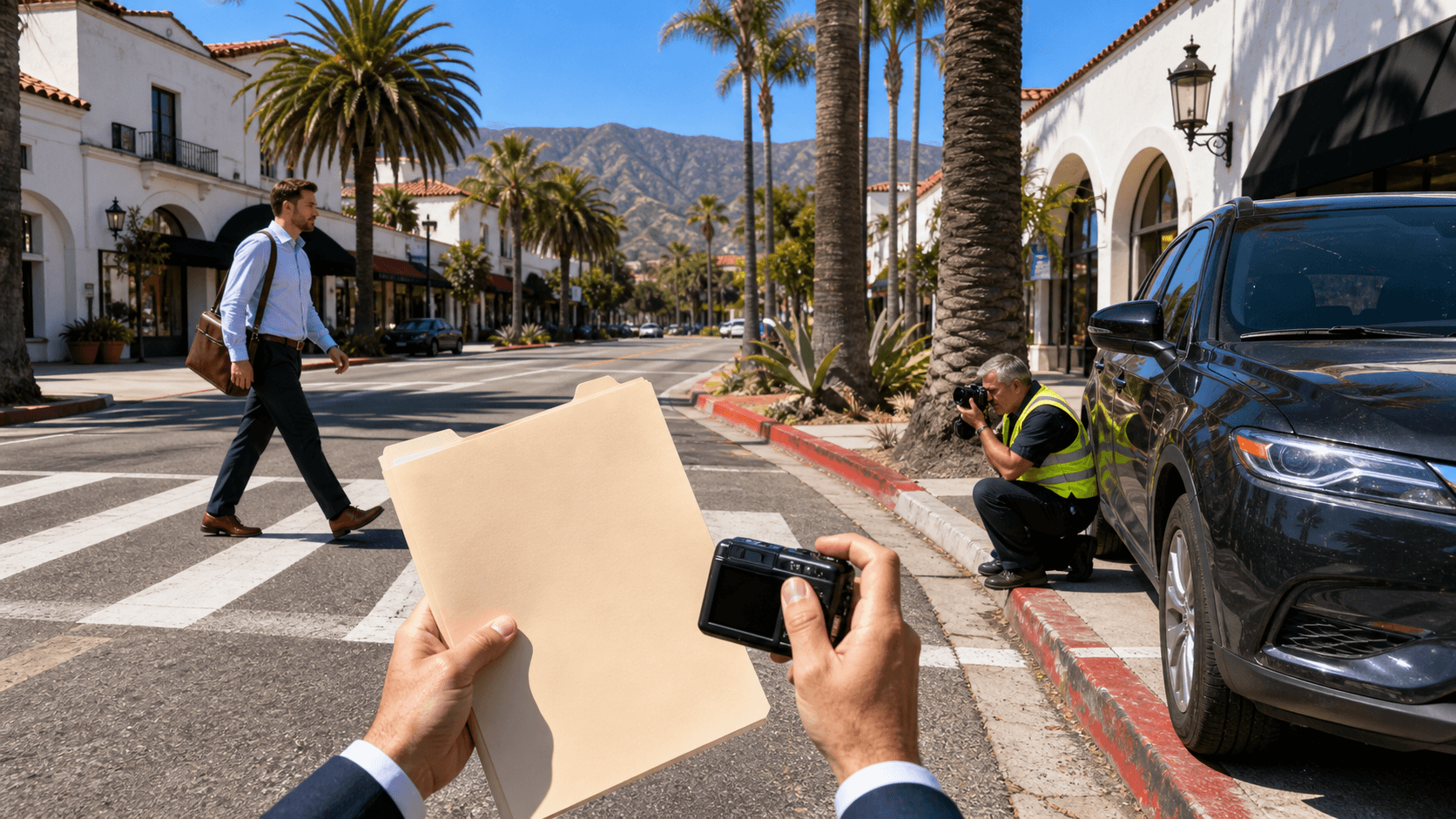
Avoiding Costly Missteps After a Santa Barbara Crosswalk Crash
A crosswalk accident happens when a driver hits someone walking in or near a crosswalk. In Santa Barbara, this often happens near the beach, downtown, or busy tourist spots where cars, bikes, scooters, and people all meet at once. These cases can get tricky because there may be heavy foot traffic, out-of-town drivers, and confusing intersections.
What you do in the first hours and days after a crash can change your entire claim. Simple choices like not seeing a doctor right away or saying the wrong thing to an insurance adjuster can cut down what you are able to recover. Our job as a crosswalk accident attorney in Santa Barbara is to spot these problems early and help fix them so you can focus on healing instead of worrying about legal traps.
Overlooking Evidence at the Scene
Right after a crosswalk crash, most people feel shocked and overwhelmed. That is understandable. But missing key evidence at the scene can make your claim much harder later.
One big mistake is failing to document the location and conditions. Without photos and notes, it is easier for the driver or their insurer to argue about what really happened.
Helpful things to capture include:
- The crosswalk markings and paint condition
- Traffic signals and pedestrian signals at the time
- Skid marks, vehicle position, and broken parts on the ground
- Nearby businesses, parked cars, and street signs
In Santa Barbara, summer sun glare, road work, and heavy tourist crowds can all play a role. A quick photo of bright sun in your eyes, a blocked sign, or a faded crosswalk can be powerful proof later that the driver should have been more careful.
Another common mistake is not getting witness information. People nearby may see:
- The color of the light or walk signal
- If the driver was on a phone or speeding
- Whether you were in the crosswalk when the car entered
If you are able, ask for names, phone numbers, and a short written or voice note about what they saw. Memories fade fast, and by the time an insurance company calls them, details can be lost or mixed up.
Many people also ignore nearby video footage. In downtown areas, near the waterfront, or along State Street, there may be:
- Store security cameras
- Traffic or city cameras
- Bus, rideshare, or taxi dashcams
This video often gets recorded over quickly. A crosswalk accident attorney in Santa Barbara can send letters to ask that this footage be saved before it disappears.
Underestimating Medical Care and Documentation
After a crash, some people feel shaken but think they are "okay" and refuse an ambulance or skip the doctor. That choice can seriously hurt a claim. Insurance companies like to argue that if you did not seek care right away, you were not really hurt or your injuries came from something else.
The problem is that many injuries do not show up right away. Concussions, soft-tissue damage, and internal injuries can hide under the adrenaline of the moment. By the time the pain hits, the insurer may already be questioning the cause.
It is also easy to slip up on follow-up care. Missing appointments, quitting physical therapy early, or forgetting to tell your doctor about all your symptoms can make it seem like you got better faster than you really did. Clear, consistent medical records that connect the crosswalk impact to your pain, limits, and needed care are key.
It helps to track how your injuries affect your daily life. A simple injury journal can include:
- Pain levels through the day
- Trouble sleeping or staying asleep
- Limits at work or school
- Difficulty with driving, walking, or childcare
- Mood changes or anxiety about crossing streets
When we build a claim, we look at your medical records and your own notes to show how the crash changed your life, not just your medical bills.
Missteps in Dealing with Insurance Companies
Right after the crash, the at-fault driver's insurer may call you. They may sound friendly and say they just need "your side of the story." Many people think they have to answer all questions right then. That is a mistake.
Giving a recorded statement too soon can hurt your case. Offhand comments like "I think I am okay" or "I am not sure what color the light was" can be used later to argue that your injuries are minor or that you were at fault. It is better to talk with a lawyer first, so you understand your rights before you speak on the record.
Another trap is accepting a fast, low settlement. This often happens when people are trying to get back to work, take care of kids, or finish summer travel plans. Early offers rarely cover:
- Future medical treatment or surgery
- Ongoing physical therapy
- Lost earning capacity if you cannot return to the same job
- Future pain, limits, or lifestyle changes
Once you sign a settlement, you are usually done. You cannot go back for more money if your injuries turn out worse than you thought.
Social media can also cause problems. Posting about the crash, sharing photos from the beach, or checking in at an event can be twisted to claim you are not really hurt or that you were distracted. It is safest to avoid posting about the accident at all and to limit who can see your activity until everything is resolved.
Misunderstanding Liability and Local Crosswalk laws
Many people believe pedestrians are always right. In California, pedestrians do have strong protections, but that does not mean drivers are always 100 percent at fault. If someone crosses against a signal or outside a crosswalk, an insurance company may argue they share part of the blame.
California uses comparative negligence. That means fault can be split between the driver and the pedestrian. Even a smaller percentage of fault placed on the pedestrian can reduce the total recovery. How that split is argued often depends on details at the scene.
Local factors in Santa Barbara matter a lot. Risky areas often include:
- State Street and nearby side streets
- Waterfront crossings near the beach and harbor
- School zones during drop-off and pick-up
- Intersections near festivals, events, or heavy weekend traffic
Tourist drivers who are not used to our streets, bike lanes, and crosswalks may make sudden turns, stop in odd spots, or stare at views instead of the road. All of this can affect how liability is argued and how we present your case.
An attorney with local experience knows which intersections have repeat problems, how traffic flows during busy times, and how local courts and insurers tend to see these crashes. That knowledge can guide decisions about scene reconstruction, expert support, and what evidence to focus on.
Protecting Your Rights After a Crosswalk Accident
In the days after a crosswalk crash, some simple steps can help protect your rights:
- Get prompt medical care and follow all doctor advice
- Save photos, damaged clothing, and any gear you had with you
- Keep names and contact info for witnesses
- Store all bills, receipts, and letters from insurers in one place
- Write down what you remember while it is still fresh
There are deadlines in California for injury claims and lawsuits. Waiting too long can bar recovery, even if the driver was clearly at fault.
It is time to talk with a Santa Barbara injury attorney when:
- You have serious injuries or long-lasting pain
- The driver or insurer blames you for the crash
- The driver left the scene or had unclear insurance
- An adjuster pushes you to settle quickly or sign forms
At Quirk Accident & Injury Attorneys, we focus on helping people hurt in pedestrian and crosswalk crashes in and around Santa Barbara. We work to protect evidence, deal with insurance adjusters, and build claims that reflect the full impact of the accident on your body, work, and daily life.
Take The Next Step Toward Getting Fair Compensation
If you were hurt in a crosswalk, you should not have to navigate insurance companies and legal deadlines on your own. At Quirk Accident & Injury Attorneys, we can investigate what happened, protect your rights, and pursue the full compensation you deserve. Start by talking with a dedicated crosswalk accident attorney in Santa Barbara who understands these cases and the local courts. If you are ready to discuss your options, reach out and contact us for a free, no-obligation consultation.